The Diagnosis Is Not Everything
I found out I had breast cancer at the end of November. By the middle of January, I was having surgery.
Six weeks. That’s how long I had between the word cancer and a mastectomy. Six weeks to make decisions about my body, my future, my children, my marriage. The world kept moving, jobs still got done, school kept going, holidays happened. And my world had stopped existing as I had known it.
I was prepared for surgery and recovery. There were physical milestones and things to do with drains, exercises to start the slow work of being able to raise my arms again. I remember walking the neighborhood after school drop-off every morning, doing the arm exercises the surgeon’s office had given me, working back toward something that used to be automatic.
What nobody prepared me for was everything else.
The fatigue that didn’t lift for months, the kind I didn’t know yet was grief wearing a physical disguise. The way life returned to regular programming so quickly. The strange relief when family went home after helping, followed immediately by guilt for feeling relieved. The fear that lived underneath everything, not just of cancer coming back, but of trusting that I was actually going to be okay.
And underneath all of it, quieter than everything else, was a belief I couldn’t shake:
I should be grateful.
My sentinel lymph nodes were clear. I had chosen my surgery in hopes that I didn’t have to do chemo. By every measure that medicine had, I was one of the lucky ones. So I packed the grief into a smaller and smaller space and told myself to be grateful and kept moving.
Gratitude and Grief Are Not Opposites
What took me years to understand is that gratitude and grief are not opposites. You can be grateful you survived and still mourn the body you lost. You can be relieved the nodes were clear and still be terrified. You can be the lucky one and still cry on the floor of your closet, unable to raise your arms above your head.
Nobody told me what was happening to my desire, my identity, my sense of myself as a woman with a body worth inhabiting. Nobody talked about what cancer does to intimacy, not just physically, but in a much deeper sense. The way it can make your body feel like borrowed property. The way it can put distance between you and your own wanting.
That conversation didn’t exist in the doctor’s office, the support group, the circle of friends. I didn’t even have enough awareness to see what was happening to me. And I couldn’t find the answers to questions I didn’t know to ask.
The Decade I Spent Finding Answers
I spent a decade finding those answers. I trained, studied, and built a body of work around exactly this gap: the space between a medical all-clear and feeling like yourself again. I became an intimacy coach because I knew what it was to fall into that gap and not know how to climb out. I work with women navigating their bodies, their desire, and their sense of self after experiences that changed everything.
That’s why, when Dr. Eleonora Teplinsky spoke with me in 2022, something shifted. She’s an oncologist and researcher who wanted to talk about the things nobody asks about: intimacy, desire, identity, what actually happens to the woman inside the diagnosis. She asked the questions. She listened to the answers. A lot of what we talked about lives inside her new book, Beyond the Pink: Navigating Life, Health, and Breast Cancer.
Dr. Teplinsky treats women as whole human beings, not just patients to be treated and sent home with a medical all-clear and a pink ribbon. This is the work that matters. And now I get to be in the room with her.
The Gap Nobody Talks About
There is a gap between being medically clear and feeling like yourself again. There is a gap between desire going quiet and nobody thinking to ask about it. There is a gap where women have a treatment that is complete but are left to figure out the quality of the rest of their lives alone.
That gap is real in so many ways. And women have been falling into it for as long as medicine has been treating breast cancer without treating the whole woman.
Dr. Teplinsky’s book doesn’t let us stay silent about it anymore. And I am so glad.
On October 17th, I’m hosting an intimate online conversation as part of my Between Us series. I’ll be joined by Ellie McCann: educator, mother, grandmother, and breast cancer survivor. Ellie was diagnosed with triple positive breast cancer in August 2020. She went through chemotherapy, a lumpectomy, 37 rounds of radiation, and targeted therapy infusions. All during Covid. She never once saw the face of her providers without a mask.
Ellie and I have very different stories. Different diagnoses, different treatments, different journeys. But we share something that doesn’t show up in any medical chart: the experience of being a woman trying to find herself again on the other side of a diagnosis that changed everything.
The Woman Inside the Diagnosis: Identity, Intimacy, Survival is a real conversation between two survivors, unscripted and unguarded. Register for The Woman Inside the Diagnosis here.
On October 25th, I’ll be in Dallas at the Aaron Family Jewish Community Center for the Margot Rosenberg Pulitzer Dallas Jewish BookFest, joining Dr. Teplinsky for a conversation about Beyond the Pink, including sexual health, intimacy, and body image after breast cancer. Tickets and event information are here.
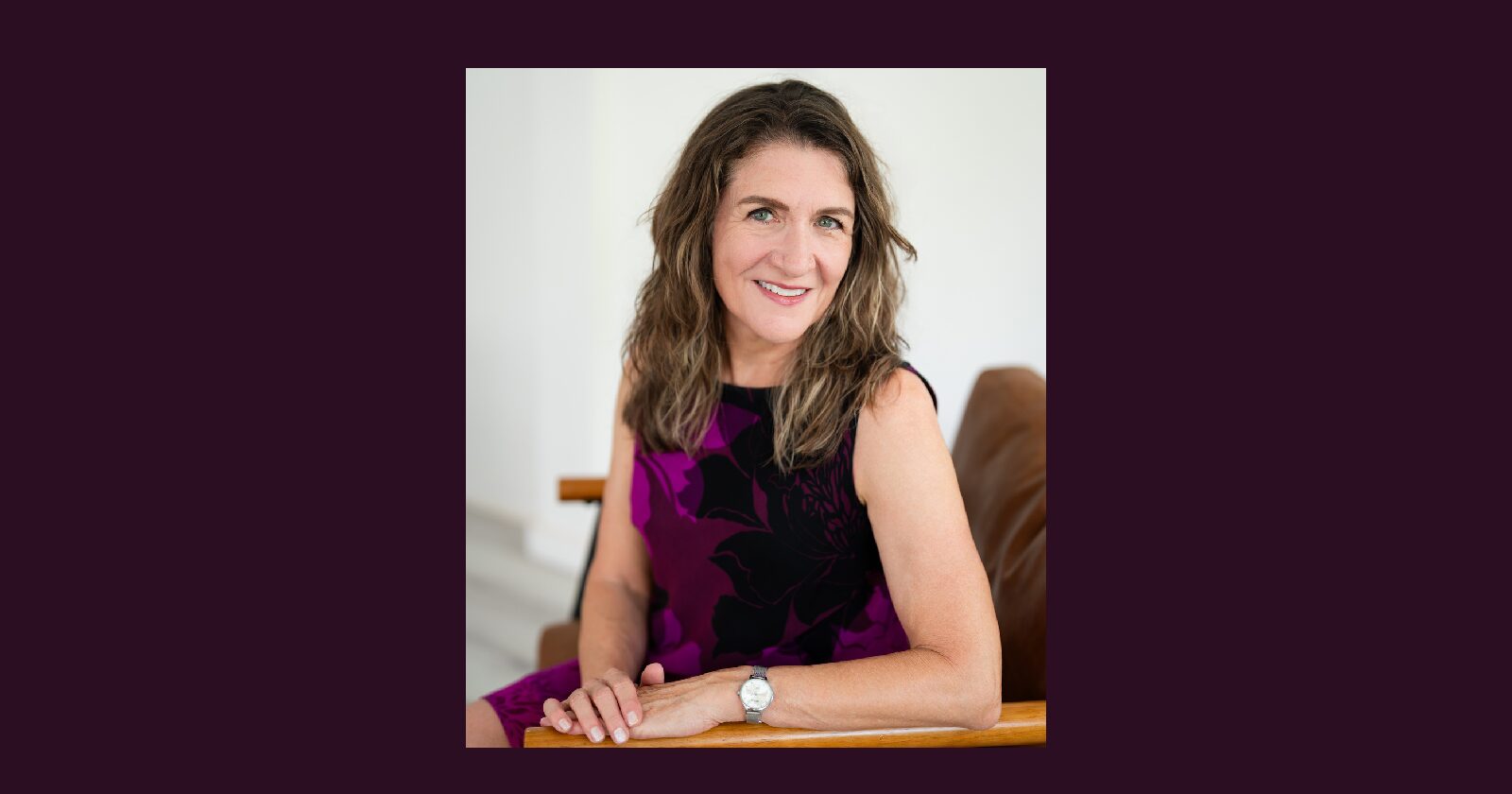
Kim Holden is a breast cancer survivor, intimacy coach, and somatic practitioner with over a decade of experience helping women come home to their bodies, their desire, and themselves. She works with individuals and groups, and hosts the monthly conversation series Between Us. Find her at kimholden.com or follow along on Instagram @kim.holden.coaching.
